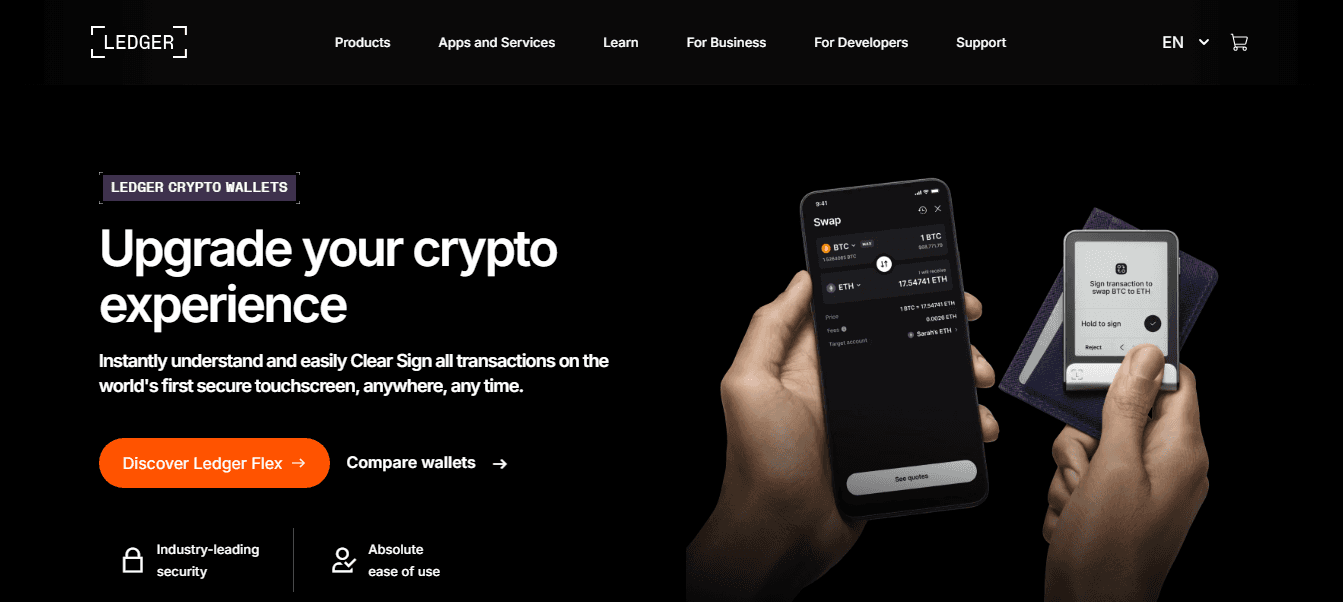
Ledger Live Login – Your Step-by-Step Guide to Secure Crypto Access
Managing cryptocurrency can be exciting, but it also comes with a serious responsibility: protecting your digital assets. Unlike traditional bank accounts, crypto wallets are self-managed. Losing access to your wallet can mean permanent loss of funds. This is why Ledger hardware wallets, combined with Ledger Live, offer a secure and user-friendly solution.
Ledger Live is not just an app; it is the interface that connects you safely to your Ledger device. At its heart is the Ledger Live login process, which ensures that only authorized users can view and manage crypto assets. In this guide, we will break down everything about Ledger Live login—from first-time setup, security measures, troubleshooting common issues, to advanced tips for managing multiple accounts.
What is Ledger Live?
Ledger Live is Ledger’s official software application for managing crypto assets. It allows users to securely send, receive, and track their cryptocurrency, install blockchain apps on their Ledger device, and perform staking or crypto swaps.
Key Benefits:
Real-time monitoring of cryptocurrency accounts
Safe sending and receiving of digital assets
Device firmware updates and blockchain app installations
Buying, selling, and swapping crypto
Managing multiple Ledger devices and accounts
Ledger Live is compatible with Windows, macOS, Linux, and mobile devices (iOS and Android). It connects to Ledger hardware wallets through USB or Bluetooth, depending on the device model.
How Ledger Live Login Works
Unlike a typical online service, Ledger Live does not require a username or password. Your Ledger hardware device itself is the authentication tool.
Steps to Log In:
Open the Ledger Live app on your desktop or mobile device.
Connect your Ledger hardware wallet using USB (Nano S/Nano S Plus) or Bluetooth (Nano X).
Enter your PIN code on the Ledger device.
Ledger Live recognizes your device and displays your portfolio.
Since private keys never leave your Ledger device, this login method is highly secure and resistant to phishing or malware attacks.
First-Time Setup of Ledger Live
New users need to complete setup before accessing Ledger Live.
Step 1: Download Ledger Live
Go to the official Ledger website: Ledger.com/start to download the latest Ledger Live version. Avoid third-party sources to prevent malware.
Step 2: Install Ledger Live
Follow the platform-specific instructions.
Launch the application once installation is complete.
Step 3: Connect Your Ledger Device
For Nano S or Nano S Plus, use USB.
For Nano X, connect via Bluetooth.
Enter your device PIN.
Step 4: Initialize Ledger Live
Select Set up as a new device or Restore from recovery phrase.
Ledger Live guides you through firmware updates, app installation, and account synchronization.
Once complete, logging into Ledger Live becomes straightforward: connect the device, enter your PIN, and access your accounts.
Security Features of Ledger Live Login
Ledger Live login relies on hardware-based authentication, providing multiple layers of security:
PIN Code Protection – The device requires a PIN for login and transaction approval.
Recovery Phrase – 24-word backup for restoring your wallet if the device is lost or damaged.
Secure Element Chip – Private keys are stored offline, protected from malware or hacking.
Physical Verification – Every transaction must be approved on the device, preventing unauthorized transfers.
This approach ensures that even if your computer or smartphone is compromised, your crypto remains secure.
Logging in on Desktop vs Mobile
Desktop
Connect your Ledger via USB.
Open Ledger Live on your desktop.
Enter your PIN on the device.
Access your accounts and manage assets.
Mobile
Connect the Ledger Nano X via Bluetooth (or USB with OTG for certain devices).
Open the Ledger Live mobile app.
Enter your PIN on the device.
View balances, send/receive crypto, and manage your portfolio.
The PIN is always entered on the hardware device, never on the software app, which minimizes security risks.
Common Ledger Live Login Issues
Even with a secure setup, users may face occasional issues:
Device Not Recognized
Ensure proper connection via USB or Bluetooth.
Update Ledger Live to the latest version.
Restart Ledger Live and the device if necessary.
PIN Not Accepted
Verify correct PIN entry.
If multiple failed attempts occur, the device may reset. Restore using your recovery phrase.
Empty Account Display
Synchronize accounts in Ledger Live settings.
Ensure the required blockchain apps are installed on the device.
Ledger Live Crashes
Reinstall the app from the official website.
Confirm your OS meets minimum requirements.
Ledger Live as Hardware-Based Two-Factor Authentication
Ledger Live replaces traditional two-factor authentication with device-based verification:
Open Ledger Live.
Connect your hardware wallet.
Enter PIN on the device.
Approve transactions physically.
This ensures that even if your computer or mobile device is compromised, unauthorized access is prevented.
Managing Multiple Accounts and Devices
Ledger Live supports multiple accounts and hardware wallets:
Add different crypto accounts.
Manage multiple Ledger devices from one app.
Switch between accounts without risking security.
This flexibility makes Ledger Live suitable for beginners and advanced users alike.
Common Misconceptions
Some users think Ledger Live can be accessed without a hardware device. This is false:
Ledger Live never stores private keys on the computer or phone.
Physical device authentication is always required.
Ledger Live is an interface, not a cloud wallet.
This design maximizes security and minimizes the risk of hacks.
Recovering Ledger Live Access
If your Ledger device is lost or damaged:
Purchase a new Ledger device.
Open Ledger Live and choose Restore from recovery phrase.
Enter your 24-word recovery phrase.
Ledger Live restores all accounts and balances.
Recovery ensures continued access to your crypto while maintaining security.
Best Practices for Ledger Live Login
Download Ledger Live only from Ledger.com/start.
Never share or enter your recovery phrase on any online platform.
Use a strong, unique PIN on your Ledger device.
Keep your recovery phrase offline in a secure location.
Regularly update Ledger Live and firmware on your device.
Advanced Tips
Passphrase Protection – Add a passphrase to create hidden wallets.
Firmware Updates – Keep devices updated for enhanced security.
Portfolio Exports – Review balances without exposing private keys.
Frequently Asked Questions
Q1: Can I log in without a Ledger device?
A1: No. Ledger Live requires the hardware wallet to authenticate access.
Q2: Can I install Ledger Live on multiple devices?
A2: Yes. You can use multiple computers or mobile devices, but each login requires the Ledger device.
Q3: Is Ledger Live safe from hacking?
A3: Yes. Private keys remain offline on the Ledger device, making unauthorized access extremely difficult.
Q4: What if my accounts appear empty?
A4: Synchronize your accounts and ensure blockchain apps are installed on the device.
Conclusion
Ledger Live login is a hardware-based authentication system that prioritizes security and protects private keys. By understanding setup, login procedures, troubleshooting, and best practices, users can safely manage cryptocurrencies. Ledger Live, paired with a Ledger hardware wallet, provides one of the most secure ways to access and control digital assets today.